
Constipation on Mounjaro: How Fibre, Fluids and Movement Can Help
Why Mounjaro slows the gut, how to build up fibre and fluids without making things worse, and the symptoms that need a...
One pill. Once a day. Available now (subject to consultation)
New patients: £20 off first order over £95 (code NEW20, eligibility applies).
Maintenance plan live: £10 off future orders (excludes subscriptions).

The combined pill, mini pill and contraceptive patch, prescribed online by UK-registered clinicians.
Treatment from £9.99
New here? Just enter your email on the next page and we'll create your account.






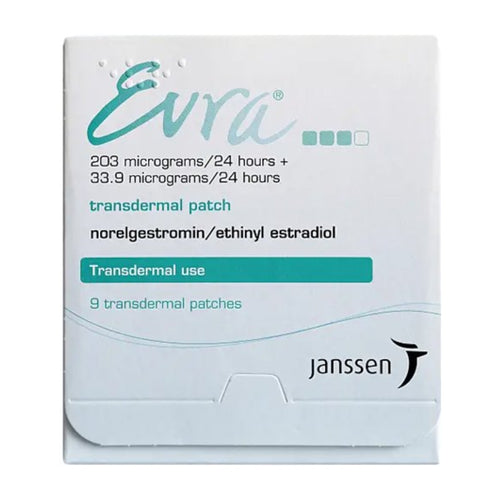
Evra is a contraceptive patch that releases hormones through the skin, changed once a week so you don't need to take a daily pill.
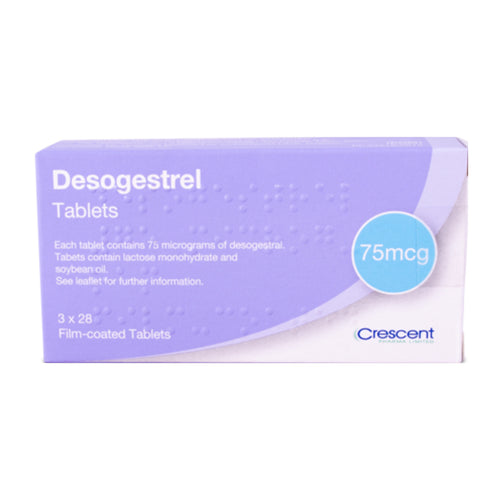
Desogestrel is a progestogen-only pill (the 'mini pill'), taken every day without a break, and suitable for many people who can't take oestrogen.
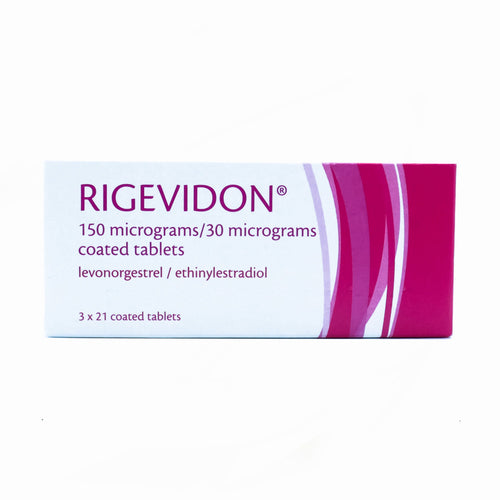
Rigevidon is a combined contraceptive pill containing ethinylestradiol and levonorgestrel, taken daily to prevent pregnancy.
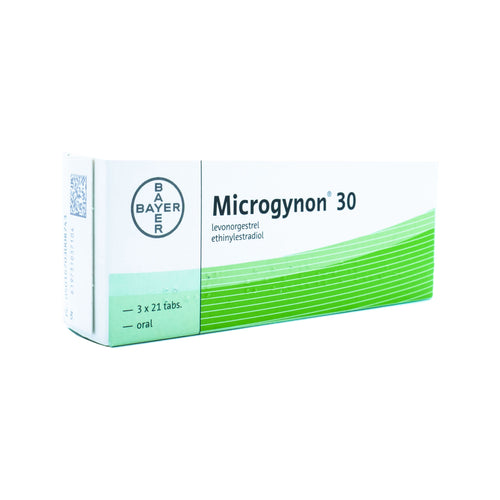
Microgynon 30 is a combined contraceptive pill containing ethinylestradiol and levonorgestrel, taken daily to prevent pregnancy.
Your clinician confirms which treatment and strength suit you. These prices are here so you know the cost before you start.
| Pack | Price |
|---|---|
| Strength: 203 mgQuantity: 9 | £29.99 |
| Strength: 203 mgQuantity: 18 | £49.99 |
| Pack | Price |
|---|---|
| Strength: 75 mcgQuantity: 84 | £11.99 |
| Strength: 75 mcgQuantity: 168 | £19.99 |
| Pack | Price |
|---|---|
| Strength: 150 / 30 mcgQuantity: 21 | £17.99 |
| Strength: 150 / 30 mcgQuantity: 63 | £24.99 |
| Strength: 150 / 30 mcgQuantity: 126 | £34.99 |
| Pack | Price |
|---|---|
| Strength: 30mgQuantity: 21 | £9.99 |
| Strength: 30mgQuantity: 63 | £13.99 |
| Strength: 30mgQuantity: 126 | £21.99 |
Contraception refers to methods or devices used to prevent pregnancy. It includes a variety of techniques that reduce the likelihood of sperm fertilising an egg or prevent a fertilised egg from implanting in the uterus. Contraceptive methods are typically used to control the timing of pregnancies, allow people to plan families, and promote sexual health.
Contraceptive pills are one of the most widely used forms of birth control. Oral contraceptives fall into two main types: the combined oral contraceptive pill, which contains oestrogen and progestogen, and the progestogen-only pill, sometimes called the mini pill. Both are taken daily. The combined pill works mainly by stopping ovulation, while the mini pill thickens the mucus in the cervix and, in the case of desogestrel, usually stops ovulation too.
The contraceptive patch is a small, discreet patch worn on the skin that releases hormones similarly to the combined pill, but is changed weekly rather than taken daily. Patch contraception can suit people who find a daily pill routine difficult to stick to.
If your usual method fails or you need urgent support after unprotected sex, emergency contraception may help prevent pregnancy.
Complete a short reorder check and our clinicians will review it so you can continue your treatment without a gap.
Reorder your treatmentAnswer questions about your health, symptoms and medical history online. It only takes a few minutes.
A UK-registered clinician checks your answers to make sure treatment is safe and suitable for you.
If treatment is right for you, your prescription is approved and prepared without delay.
Our own pharmacy dispenses your medicine and sends it in plain, discreet packaging.
Throughout your treatment, the SwiftDoctor clinical team is available to support you and answer your questions.
Start your consultationEvery consultation is reviewed by our own clinicians, and every prescription is dispensed by our own pharmacy.

GP with a special interest in obesity management. Qualified from the University of Nottingham in 2011.

Advanced Clinical Practitioner with experience across GP surgeries and digital health clinics. Oversees safe supply of every medicine we send.

Registered Nurse with 23 years' experience, now working as an Advanced Clinical Practitioner in general practice.
There is no single best contraceptive method. The right choice depends on your health, your age, whether you smoke and how easy you find it to remember a daily pill or a weekly patch. Long-acting methods, such as the implant or the coil, do not rely on you remembering to take or change them, and are available from your GP or a sexual health clinic. A SwiftDoctor clinician can help you decide whether the pill or the patch is right for you.
No. Contraceptive pills and the contraceptive patch help to prevent pregnancy, but they do not protect against sexually transmitted infections (STIs). Using condoms as well is the best way to reduce your risk of STIs.
Stick the patch on clean, dry, hairless skin and wear each patch for 7 days, changing it on the same day each week for three weeks. You then have a 7-day patch-free week, when you may have a bleed, before starting a new patch. You can bath, swim and exercise as normal while wearing it.
Most people can use contraceptive pills, but suitability depends on factors such as your medical history, whether you smoke, your age, and any existing health conditions. Combined contraceptive pills aren't suitable for everyone, for example if you smoke and are 35 or over, have had a blood clot, have migraines with aura or have high blood pressure. The progestogen-only pill is often an option when the combined pill is not suitable, so your SwiftDoctor clinician will confirm whether the pill or another method is right for you.
Both the contraceptive patch and contraceptive pills are over 99% effective with perfect use, and around 91% effective with typical use, where doses or changes are sometimes missed.
Contraceptive pills and patches can cause side effects, although many people use them without experiencing significant problems. Common side effects can include headaches, nausea, breast tenderness, mood changes, changes to your period and skin changes such as acne. These side effects often improve after the first few months as your body adjusts to the hormones.
The combined pill and patch can also slightly increase the risk of blood clots. This risk is still low for most people, but combined hormonal contraception is not suitable for everyone. Your SwiftDoctor clinician will check your medical history and any risk factors before recommending a suitable contraceptive method.
If you experience severe or unusual symptoms while using hormonal contraception, seek medical advice promptly.
What to do depends on which pill you're taking and how late you are, so it's important to check the patient information leaflet or speak to your SwiftDoctor clinician for guidance specific to your contraceptive pills or patch. In some cases, additional contraceptive precautions or emergency contraception may be needed.
Most common antibiotics do not affect how the pill or patch works. However, some medicines can make them less effective, including the antibiotic rifampicin, some epilepsy and HIV medicines, and the herbal remedy St John's wort. Always tell your clinician about any medicines you take, as you may need to use condoms or a different method.

Why Mounjaro slows the gut, how to build up fibre and fluids without making things worse, and the symptoms that need a...

How dutasteride and finasteride compare on mechanism, evidence and side effects, and why only finasteride is licensed for hair loss in the...

Why lean muscle can be lost during rapid weight loss, how much protein to aim for, and why strength training protects muscle...
Complete your consultation in a few minutes. A UK-registered clinician will review it and be in touch.

Stay Informed, Stay Healthy
Join the SwiftDoctor community and stay informed about new treatments, exclusive offers and expert health tips.
T & Cs apply
By submitting your email address, you consent to receive marketing emails including new product launches and special offers. Unsubscribe at any time. Terms & Privacy Policy apply.
Copy the coupon code & use it at checkout