
Loratadine vs Cetirizine: Which Antihistamine Is Better for Allergies?
Comparing loratadine and cetirizine on onset, duration, drowsiness and suitability, without favouring either.
One pill. Once a day. Available now (subject to consultation)
New patients: £20 off first order over £95 (code NEW20, eligibility applies).
Maintenance plan live: £10 off future orders (excludes subscriptions).

Antihistamines and steroid nasal sprays for hay fever and allergies, prescribed online by UK-registered clinicians.
Treatment from £4.99
New here? Just enter your email on the next page and we'll create your account.






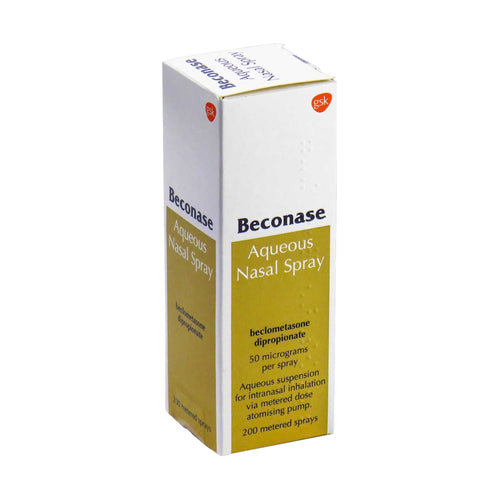
Beclometasone is a steroid nasal spray that reduces swelling inside the nose to relieve hay fever and allergic rhinitis.

Loratadine is a once-daily, non-drowsy antihistamine that relieves hay fever and allergy symptoms.
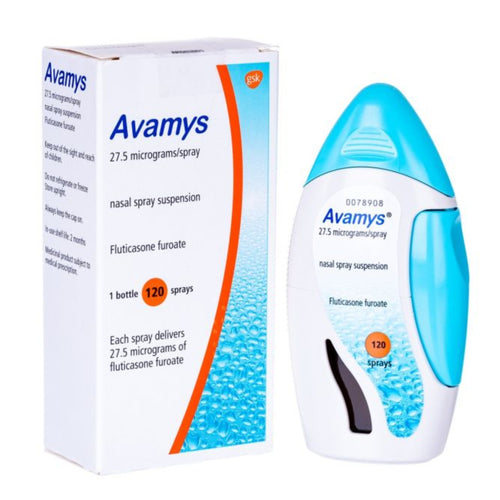
Avamys is a steroid nasal spray (fluticasone furoate) that reduces nasal inflammation and eye symptoms caused by hay fever.
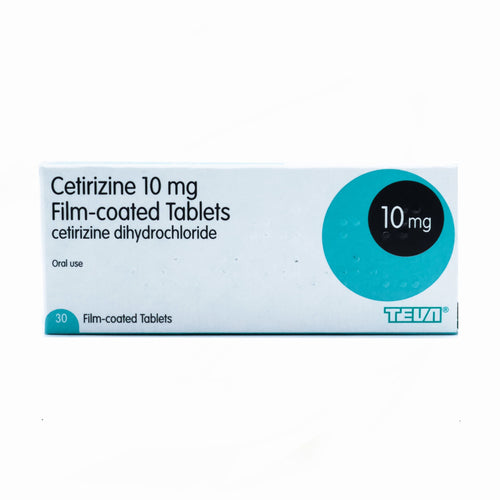
Cetirizine is a once-daily antihistamine that relieves hay fever and allergy symptoms such as sneezing, itching and watery eyes.
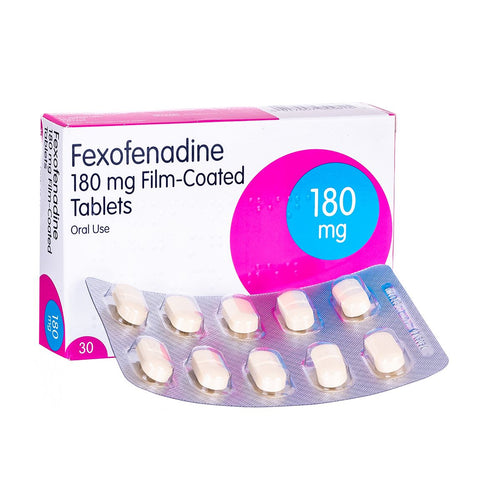
Fexofenadine is a non-drowsy antihistamine that relieves hay fever symptoms such as sneezing, a runny nose and itchy eyes.
Your clinician confirms which treatment and strength suit you. These prices are here so you know the cost before you start.
| Pack | Price |
|---|---|
| Strength: 50mcgQuantity: 1 Bottle - 200 Sprays | £8.99 |
| Pack | Price |
|---|---|
| Strength: 10 mgQuantity: 30 | £4.99 |
| Strength: 10 mgQuantity: 60 | £7.99 |
| Pack | Price |
|---|---|
| Strength: 27.5mcgQuantity: 1 Bottle - 120 Sprays | £15.00 |
| Pack | Price |
|---|---|
| Strength: 10 mgQuantity: 30 | £4.99 |
| Strength: 10 mgQuantity: 60 | £7.99 |
| Pack | Price |
|---|---|
| Strength: 120mgQuantity: 30 | £9.95 |
| Strength: 120mgQuantity: 60 | £14.95 |
| Strength: 180mgQuantity: 30 | £12.95 |
| Strength: 180mgQuantity: 60 | £17.95 |
Hay fever, also called seasonal allergic rhinitis, is an allergic response to plant, grass and tree pollen, causing symptoms like sneezing, itching, and nasal congestion. Hay fever occurs when the immune system overreacts to allergens in the environment, releasing histamine and other chemicals that cause allergic symptoms. The condition is seasonal and has links to the time of the year when trees and plants release their pollen, usually between late March and September. Allergic rhinitis can also be caused by house dust mites, pet hair or mould, which can cause symptoms all year round. Although it can be bothersome, hay fever symptoms can often be managed effectively with allergic rhinitis treatments such as antihistamine tablets and steroid nasal sprays, allergen avoidance strategies, and lifestyle adjustments.
Complete a short reorder check and our clinicians will review it so you can continue your treatment without a gap.
Reorder your treatmentAnswer questions about your health, symptoms and medical history online. It only takes a few minutes.
A UK-registered clinician checks your answers to make sure treatment is safe and suitable for you.
If treatment is right for you, your prescription is approved and prepared without delay.
Our own pharmacy dispenses your medicine and sends it in plain, discreet packaging.
Throughout your treatment, the SwiftDoctor clinical team is available to support you and answer your questions.
Start your consultationEvery consultation is reviewed by our own clinicians, and every prescription is dispensed by our own pharmacy.

GP with a special interest in obesity management. Qualified from the University of Nottingham in 2011.

Advanced Clinical Practitioner with experience across GP surgeries and digital health clinics. Oversees safe supply of every medicine we send.

Registered Nurse with 23 years' experience, now working as an Advanced Clinical Practitioner in general practice.
It depends on your symptoms. Antihistamine tablets such as Cetirizine, Loratadine or Fexofenadine help with sneezing, itching and watery eyes. Steroid nasal sprays such as Avamys or Beclometasone work best for a blocked or runny nose. Your clinician will recommend the most suitable option.
Yes. Many people use an antihistamine tablet alongside a steroid nasal spray when one treatment alone does not fully control their symptoms.
Starting a few weeks before your usual hay fever season can help, especially with steroid nasal sprays, which take several days to reach full effect.
Modern antihistamines are described as non-drowsy, but a small number of people still feel sleepy. See how they affect you before driving.
See a GP if your symptoms are getting worse or do not improve with treatment. Contact your GP practice if you have wheezing, breathlessness or a tight chest, as these can be signs of asthma. If other treatments do not work, a GP may refer you for immunotherapy, which usually starts a few months before the hay fever season.
Yes. Antihistamine tablets such as cetirizine and loratadine, and steroid nasal sprays such as Avamys and beclometasone, are also used to treat allergic rhinitis that lasts all year rather than just during the pollen season. Steroid sprays work best when used every day, so your clinician may suggest using one regularly if your symptoms are ongoing. Cutting down your contact with the trigger, for example by washing bedding often if you are allergic to house dust mites, can help too.

Comparing loratadine and cetirizine on onset, duration, drowsiness and suitability, without favouring either.

Why Mounjaro slows the gut, how to build up fibre and fluids without making things worse, and the symptoms that need a...

How dutasteride and finasteride compare on mechanism, evidence and side effects, and why only finasteride is licensed for hair loss in the...
Complete your consultation in a few minutes. A UK-registered clinician will review it and be in touch.

Stay Informed, Stay Healthy
Join the SwiftDoctor community and stay informed about new treatments, exclusive offers and expert health tips.
T & Cs apply
By submitting your email address, you consent to receive marketing emails including new product launches and special offers. Unsubscribe at any time. Terms & Privacy Policy apply.
Copy the coupon code & use it at checkout