Mounjaro Side Effects: A Guide to Managing Side Effects
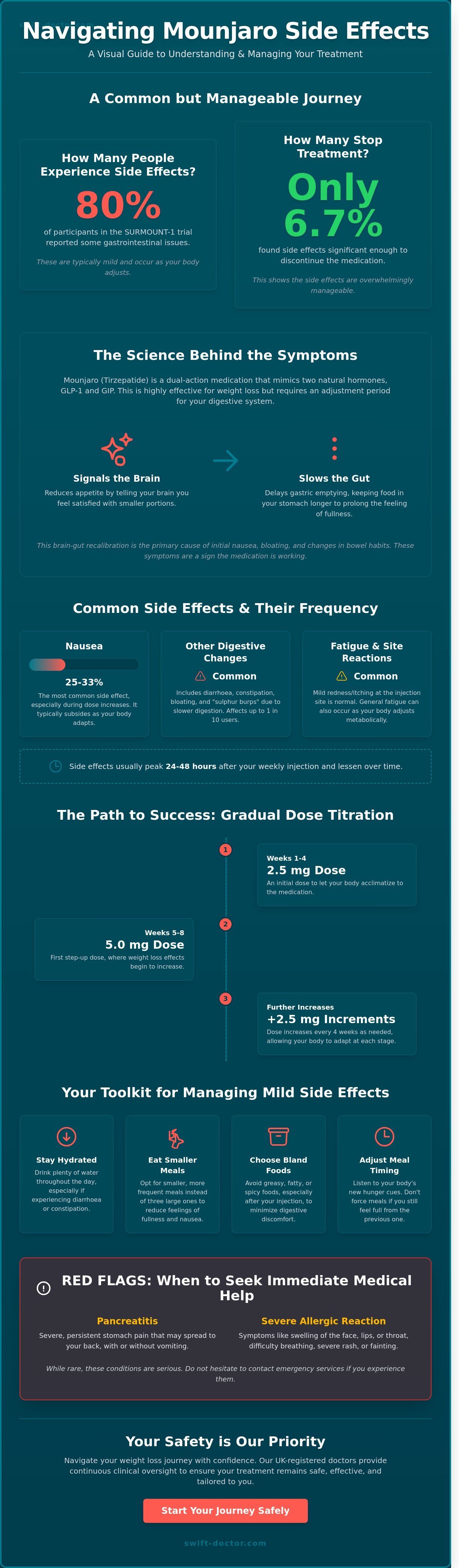
Data from the SURMOUNT-1 clinical trial revealed that while 80% of participants experienced gastrointestinal issues, only 6.7% found these challenges significant enough to stop their treatment entirely. You've likely fel…

In this guide
Data from the SURMOUNT-1 clinical trial revealed that while 80% of participants experienced gastrointestinal issues, only 6.7% found these challenges significant enough to stop their treatment entirely. You've likely felt that wave of anxiety when starting a new medication, wondering if nausea or fatigue will derail your progress. It's common to feel confused about whether a symptom is just a normal adjustment or a sign of something more serious. You deserve to feel in control of your health journey without constant worry about mounjaro side effects.
We'll show you how to identify, manage, and mitigate these symptoms with expert clinical guidance from UK-registered doctors. This guide provides the tools you need to handle mild reactions at home and establishes clear criteria for when you should seek medical help. We also outline practical strategies to minimize discomfort during your scheduled dose increases. By the end of this article, you'll have a professional roadmap to navigate your weight loss journey with complete confidence and safety.
Key Takeaways
- Understand the clinical mechanism of tirzepatide and why its dual-action approach often leads to manageable digestive changes.
- Identify the statistical frequency of common symptoms to better prepare for the initial stages of your weight loss journey.
- Discover expert-led strategies for mitigating mounjaro side effects through precise hydration and adjusted meal timing.
- Learn how to recognise rare but serious warning signs, such as pancreatitis or anaphylaxis, that require immediate medical intervention.
- Explore the benefits of having continuous oversight from GMC-registered doctors to ensure your treatment remains safe and effective.
Understanding Mounjaro Side Effects: Why They Happen
Mounjaro represents a significant shift in weight management technology. It's a dual-action medication known scientifically as tirzepatide. Unlike older treatments that only target one hormone, Mounjaro mimics two: Glucagon-like peptide-1 (GLP-1) and Glucose-dependent insulinotropic polypeptide (GIP). This dual approach is why it's so effective for weight loss, but it's also the reason your body needs time to adjust. According to this Tirzepatide (Mounjaro) overview, the medication works by regulating blood sugar and slowing down how fast your stomach clears. Most mounjaro side effects stem from these metabolic changes as your system recalibrates.
The brain-gut axis plays a central role in how you feel during the first few weeks. While the medication signals your brain to feel satisfied with smaller portions, it simultaneously alters the physical speed of digestion. This can lead to initial nausea or a "heavy" feeling in the stomach. It's helpful to remember that these symptoms are usually a sign the medication is working. Clinical data shows that for most patients in the UK, these effects are temporary. Your metabolic system is highly adaptable, and symptoms typically subside as you reach a steady state on your prescribed dose.
The Science of Tirzepatide and Your Gut
The interaction between GIP and GLP-1 receptors directly affects your digestive tract. While GLP-1 reduces appetite by signalling the brain, GIP helps manage how your body stores fat and responds to nutrients. Gastric emptying is the physiological process where food moves from the stomach into the small intestine, a cycle that Mounjaro intentionally slows down to keep you feeling full for longer. This delay is a primary feature of the drug, but it can cause initial discomfort or bloating as your system learns to process food at a different pace. In the SURMOUNT-1 clinical trials, while many participants reported mild gastrointestinal issues, these were most frequent during the initial dose escalation phase.
The Importance of the Titration Schedule
Safety and comfort are the priorities in any medical weight loss journey. This is why we follow a strict titration plan. You'll typically start on a 2.5mg dose for the first four weeks. This isn't intended for maximum weight loss; it's a starter dose designed to introduce the molecule to your receptors gently. We increase the dose every four weeks in 2.5mg increments. This gradual escalation gives your brain-gut axis time to stabilise. If you experience persistent mounjaro side effects at a specific level, staying on a lower dose for an extra month is a common clinical strategy. It ensures your journey remains sustainable while still making progress towards your health goals.
Common Mounjaro Side Effects and Their Frequency
Clinical data from the 2022 SURMOUNT-1 clinical trials shows that most patients experience some level of physical adjustment when starting Tirzepatide. Statistics indicate that "very common" side effects affect more than 1 in 10 users, while "common" reactions occur in up to 1 in 10 patients. Most individuals notice that symptoms peak between 24 and 48 hours after their weekly injection, coinciding with the medication reaching its highest concentration in the bloodstream. While these effects can be uncomfortable, they are usually transient.
There is a slight distinction in how patients react based on their underlying health. Non-diabetic patients using the medication specifically for weight management often report a higher incidence of nausea compared to those with Type 2 diabetes. Understanding these Common Mounjaro side effects helps you prepare for the first few weeks of treatment. If you feel uncertain about starting your journey, you can speak with a specialist to get personalised advice on what to expect.
Digestive Symptoms: Nausea, Diarrhoea, and Constipation
Nausea is the most frequently reported symptom, affecting approximately 25% to 33% of patients during the initial dose escalation phase. This happens because the medication slows down gastric emptying, meaning food stays in your stomach longer. It usually subsides as your body adapts to the hormone GLP-1. Changes in bowel habits are also frequent. Some patients experience diarrhoea due to rapid changes in digestion, while others face constipation because of the slower movement of food through the colon.
You might also notice "Mounjaro burps," which often have a distinct sulphur or "rotten egg" smell. This occurs because food remains in the stomach longer, allowing gases to build up. Eating smaller, less fatty meals can significantly reduce the frequency of these digestive mounjaro side effects.
Injection Site Reactions and Fatigue
It's normal to see mild redness, swelling, or itching at the site where you administered the dose. These local reactions affect roughly 3% of patients and typically resolve within a few days. To minimize discomfort, you should rotate your injection sites every week. The three recommended areas are the front of the thighs, the abdomen (at least two inches from the belly button), or the back of the upper arm.
Fatigue is another common hurdle, particularly during the first month of treatment. Around 9% of users report feeling unusually tired as their caloric intake drops and their metabolism shifts. This lethargy usually improves once your body becomes efficient at processing energy on a lower calorie count. Monitoring your hydration and ensuring adequate protein intake can help manage these mounjaro side effects effectively during the early stages of your weight loss journey.
Practical Strategies for Managing Side Effects at Home
Managing your weight loss journey requires more than just administering a weekly injection. Data from the FDA Drug Trials Snapshots for Mounjaro indicates that gastrointestinal issues are the most frequent patient concerns, but these are often manageable with the right domestic toolkit. You don't have to wait for symptoms to subside on their own. Taking a proactive approach to your daily routine can significantly reduce discomfort and keep your progress on track.
Hydration is your primary tool for preventing the headaches and nausea often associated with tirzepatide. Dehydration frequently mimics the feeling of medication-related malaise. Instead of drinking large volumes of water during meals, which can lead to over-fullness, you should sip small amounts consistently throughout the day. This steady intake supports kidney function and helps process the medication more efficiently.
Meal timing and portion control are equally vital. Because Mounjaro slows gastric emptying, your stomach stays full for much longer than usual. Eating three large meals often results in "sulfur burps" or intense bloating. You'll find more success by switching to five or six small, nutrient-dense portions. Stop eating the moment you feel slightly satisfied, as the "fullness" signal often has a delayed onset when using this medication.
Dietary Adjustments for Symptom Relief
The "Mounjaro Diet" isn't a formal set of rules, but rather a focus on gentle, easily digestible foods. You should avoid high-fat, fried, or ultra-processed foods, as these are the leading triggers for indigestion and acid reflux. In the UK, excellent bland carbohydrate options include plain oatcakes, dry wholemeal toast, or white rice. For protein, stick to lean sources like grilled chicken, turkey, or white fish. If you experience acute nausea, ginger or peppermint tea can provide rapid relief. These natural carminatives help relax the digestive tract and reduce gas production.
Hydration and Electrolyte Balance
A common mounjaro side effect is diarrhoea, which carries a high risk of dehydration and electrolyte depletion. UK weight loss patients should aim for a minimum daily water intake of 2 to 2.5 litres. If you experience persistent loose stools or excessive sweating, plain water might not be sufficient to maintain balance. Consider using oral rehydration salts, such as Dioralyte, which are readily available in UK pharmacies. These sachets restore essential sodium, potassium, and chloride levels, preventing the fatigue and dizziness that can stall your weight loss efforts. Maintaining this mineral balance is a simple way to ensure you feel energetic enough to maintain your lifestyle adjustments.
Serious Side Effects: When to Seek Medical Attention
While most people experience manageable symptoms, you must recognize the rare but significant risks associated with this medication. Clinical trials, such as the SURMOUNT-1 study involving 2,539 participants, showed that serious adverse events occurred in less than 5% of patients. Serious mounjaro side effects are rare, but being prepared allows you to act decisively if they occur. Your safety depends on recognizing these warning signs early.
Red Flag Symptoms: When to Call 111 or 999
Pancreatitis is a rare condition where the pancreas becomes inflamed. You'll feel severe, persistent pain in the centre of your stomach that often radiates through to your back. This pain doesn't go away and might feel worse after eating. Gallbladder issues, including gallstones or cholecystitis, present as sharp pain in the upper right abdomen, fever, or jaundice. Jaundice is easily identified by a yellowing of the skin or the whites of your eyes. These specific complications affect fewer than 1% of patients using Mounjaro for weight management.
Anaphylaxis is a medical emergency that requires an immediate 999 call. Watch for these symptoms after your injection:
- Swelling of the lips, tongue, or throat
- Difficulty breathing or severe wheezing
- A rapid heartbeat or feeling faint
- A widespread, itchy skin rash
Thyroid Cancer and Kidney Health
The MHRA continues to monitor reports of thyroid C-cell tumours. While rodent studies showed an increased risk, human data hasn't confirmed a direct link in clinical settings over the last three years. You shouldn't use Mounjaro if you have a personal or family history of Medullary Thyroid Carcinoma (MTC). Additionally, severe vomiting can lead to acute kidney injury through rapid dehydration. if you can't keep fluids down for more than 12 hours, your kidney function needs urgent monitoring by a healthcare professional.
Managing Low Blood Sugar (Hypoglycaemia)
Low blood sugar is uncommon if you don't have type 2 diabetes, but it's still a possibility during intensive weight loss. Understanding these potential mounjaro side effects is a vital part of your long-term health plan. You might feel shaky, dizzy, or break into a cold sweat without warning. If these symptoms occur, you should:
- Consume 15g of fast-acting glucose immediately.
- Use four glucose tablets or 150ml of regular fruit juice.
- Wait 15 minutes and re-check how you feel.
- Eat a carbohydrate-rich snack, like a piece of toast, to stabilize your levels.
If you're concerned about your reaction to treatment, you can consult a UK doctor online for immediate professional guidance.
Safe Weight Loss with SwiftDoctor’s Clinical Support
Choosing a weight loss medication like Mounjaro is a significant step toward better health. It's not a journey you should take alone. At SwiftDoctor, we provide a clinical framework that prioritises your safety at every stage. Our process begins with a comprehensive online consultation. This isn't a simple tick-box form; it's a medical assessment reviewed by GMC-registered doctors to ensure the treatment is clinically appropriate for your specific health profile and medical history.
Safety in the UK market depends on strict regulation. We only dispense medication through pharmacies registered with the General Pharmaceutical Council (GPhC). This guarantees that your treatment is authentic, stored at the correct temperatures, and handled with the highest professional standards. Your medication arrives via discreet delivery, ensuring your privacy while providing the convenience of home-based care. This professional oversight is vital because it ensures you aren't just buying a product, but entering a supervised medical programme.
Personalised Care and Dose Adjustments
Managing mounjaro side effects effectively requires a flexible approach to treatment. No two bodies react to the medication in exactly the same way. If you experience nausea, fatigue, or digestive discomfort, you can message your SwiftDoctor clinician directly through our secure platform. We don't just follow a rigid schedule; we listen to your feedback and adjust accordingly.
Your clinician might recommend staying on a lower dose for an extra month or adjusting your titration speed based on your tolerance. This bespoke approach ensures your weight loss remains safe and sustainable over the long term. Regular monitoring allows us to catch issues early, ensuring the medication works with your body rather than against it. We focus on your comfort as much as your results.
Starting Your Journey with Confidence
Preparation is the best way to reduce the likelihood of initial symptoms. We advise patients to focus on high-protein, small-volume meals and consistent hydration at least 24 hours before their first injection. You'll have full access to our patient resources and a support community that shares practical tips for daily management. These resources help you understand what to expect during the first few weeks of treatment.
Our team is here to turn a complex medical process into a clear, manageable path. We provide the expertise you need to feel secure in your choices. If you're ready to take the next step with professional backing and manage mounjaro side effects with expert guidance, we're ready to help you succeed.
Begin your medical weight loss consultation with SwiftDoctor today
Start Your Safe Path to Sustainable Weight Loss
Managing mounjaro side effects is a manageable part of your transformation when you have the right clinical oversight. Clinical data indicates that gastrointestinal symptoms often peak during the first 4 weeks of dose escalation, yet most patients find relief through simple lifestyle adjustments. You don't have to navigate these changes alone. SwiftDoctor offers a professional, patient-centered approach that prioritizes your safety at every step of the journey. Our GMC-registered medical team provides the expertise needed to monitor your progress, while our GPhC-registered pharmacy ensures every dose is dispensed with precision. We understand that privacy and speed are essential, which is why we provide discreet, next-day UK delivery directly to your door. By choosing a regulated medical service, you ensure that your weight loss journey is backed by 2026's leading clinical standards. It's time to focus on your results with the confidence that expert help is always available. Check your eligibility for Mounjaro with our GMC-registered doctors and take the first step toward a healthier version of yourself today.
Frequently Asked Questions
How long do Mounjaro side effects typically last?
Most Mounjaro side effects are temporary and typically last for two to four weeks as your body adjusts to the medication. Gastrointestinal symptoms like nausea or bloating often peak within the first 72 hours after an injection. Clinical data indicates that for 80% of patients, these issues subside once they reach a stable maintenance dose and follow a consistent dietary routine.
Can I drink alcohol while taking Mounjaro?
You can consume alcohol in moderation, but it is best to limit your intake to avoid worsening nausea or dehydration. Alcohol can also cause unpredictable blood sugar fluctuations and adds calorie density that may slow your progress. The NHS suggests not exceeding 14 units of alcohol per week to ensure your treatment remains effective and your liver function stays optimal.
Will side effects get worse every time I increase my dose?
Side effects may temporarily resurface for 48 to 72 hours each time you move to a higher strength. This isn't a sign that the medication is failing, but rather a standard physiological response to the increased hormone levels. Many patients find the transition from 2.5mg to 5mg the most challenging, while subsequent increases often feel more manageable as the body builds tolerance.
What is the best time of day to take my Mounjaro injection?
There isn't a medically mandated time, but many people find that evening injections help them sleep through the initial peak of potential nausea. Consistency matters more than the specific hour you choose. Administering your dose on the same day each week ensures a steady concentration of the medication in your system, which helps maintain appetite suppression and metabolic benefits.
Does Mounjaro cause hair loss?
Mounjaro doesn't directly cause hair follicles to fall out, but rapid weight loss can trigger a temporary shedding condition known as telogen effluvium. This occurred in approximately 5.7% of participants during clinical trials. This thinning is usually reversible and typically stops once your weight stabilizes and you ensure adequate protein intake of at least 60 grams per day.
Can Mounjaro affect my mental health or mood?
While mood changes aren't common, some patients report increased anxiety or irritability during treatment. Clinical studies show that less than 1% of users experience significant mood disturbances. It's important to monitor your mental health closely. If you feel persistent low mood or changes in your emotional well-being, you should contact a healthcare professional immediately for a review.
What should I do if I miss a dose due to feeling unwell?
If you miss your dose, you can still take it within 4 days or 96 hours of your scheduled time. If more than 4 days have passed, you should skip the dose entirely and wait for your next scheduled injection day. Don't take two doses within 3 days of each other, as this significantly increases the risk of severe gastrointestinal distress and dehydration.
Is it safe to take over-the-counter indigestion remedies with Mounjaro?
Yes, it's generally safe to use common UK remedies like Gaviscon or Rennie to manage mounjaro side effects like acid reflux or heartburn. You should be aware that Mounjaro slows down your digestion, so oral tablets might take slightly longer than usual to provide relief. Always speak with your pharmacist if you're taking other prescription medications to ensure there are no specific absorption conflicts.
This guide is for general information and isn't a substitute for personal medical advice. If you're unsure whether a treatment is right for you, speak to a clinician.
Thinking about weight loss treatment?
Complete an online consultation and a UK-registered clinician will review whether treatment is right for you.
Explore weight loss treatmentKeep reading