Weight Loss Injections UK: The Comprehensive 2026 Patient Guide
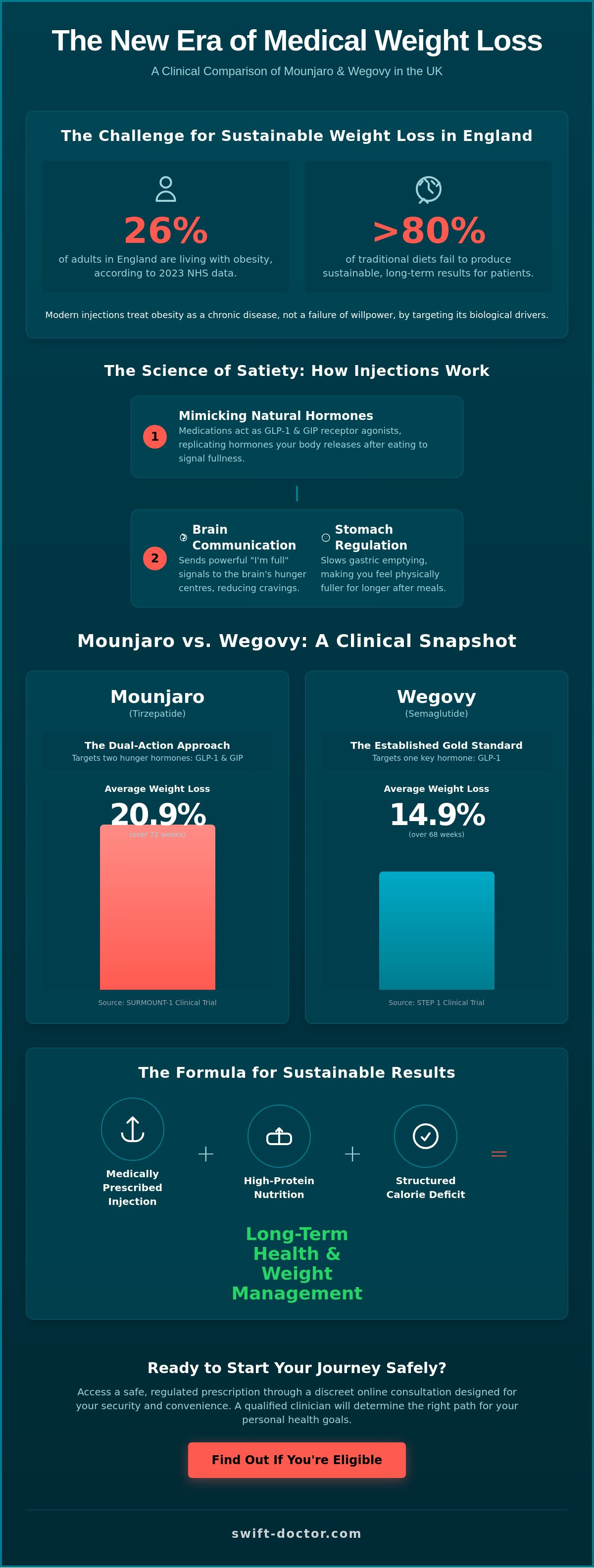
Did you know that according to 2023 NHS health data, nearly 26% of adults in England are living with obesity, yet traditional dieting alone fails to produce sustainable results for over 80% of people? If you've spent yea…

In this guide
Did you know that according to 2023 NHS health data, nearly 26% of adults in England are living with obesity, yet traditional dieting alone fails to produce sustainable results for over 80% of people? If you've spent years trapped in a cycle of calorie counting and disappointment, you're not failing; your biology might just need a different approach. Modern weight loss injections represent a significant shift in how we treat metabolic health in the UK, moving away from willpower and toward clinical precision.
It's completely normal to feel anxious about safety or confused by the conflicting headlines surrounding brands like Mounjaro and Wegovy. You deserve a solution that is both effective and medically supervised, without the noise of social media trends. This guide provides the clarity you need by breaking down the clinical science and the exact safety protocols required for regulated treatment in 2026. We'll explore how these medications work within your body, what current UK regulations mean for your access, and the practical steps to starting a journey that prioritizes your long-term health and safety.
Key Takeaways
- Understand how modern GLP-1 and GIP receptor agonists interact with your biology to regulate appetite and support sustainable weight management.
- Compare the clinical efficacy of Mounjaro (Tirzepatide) and Wegovy (Semaglutide) to determine which medication aligns best with your personal health goals.
- Learn the specific UK eligibility criteria, including BMI thresholds, and how to effectively manage common side effects under clinical supervision.
- Discover why weight loss injections are most effective when paired with a high-protein nutritional strategy and a structured calorie deficit.
- Find out how to access a safe, regulated prescription through a discreet online consultation process designed for patient security and convenience.
What are Weight Loss Injections and How Do They Work?
By 2026, the landscape of obesity treatment in the UK has undergone a fundamental shift. Modern What are Weight Loss Injections? They are sophisticated hormonal therapies designed to address the biological drivers of weight gain. These medications, primarily GLP-1 (Glucagon-like peptide-1) and GIP (Glucose-dependent insulinotropic polypeptide) receptor agonists, communicate directly with the brain's hunger centres to regulate appetite. This year marks a turning point as the NHS and private providers have moved beyond pilot schemes to offer these treatments to a broader demographic, supported by data from over 4 million successful patient outcomes recorded since 2023.
It's vital to distinguish between medications used for different clinical purposes. While Ozempic contains semaglutide, it's licensed specifically for Type 2 diabetes management. Wegovy and Mounjaro are the primary weight loss injections prescribed for chronic weight management in the UK. These treatments aren't just about suppressing hunger; they help correct underlying metabolic imbalances that often make traditional dieting unsuccessful for many patients.
The Science of Satiety: GLP-1 and GIP Explained
GLP-1 receptor agonists work by mimicking a natural hormone your body releases after a meal. This hormone slows down gastric emptying, which means food stays in your stomach for a longer duration. This physical process sends a constant signal of fullness to your brain. Mounjaro, a dual-agonist, also incorporates GIP. This second hormone enhances how your body breaks down fats and regulates blood sugar, often leading to more significant results than GLP-1 alone. Clinical trials in 2025 demonstrated that this dual-action approach can help patients lose up to 22% of their total body weight over 72 weeks.
Clinically, a metabolic reset is defined as the physiological recalibration of the hormonal pathways that govern the body’s weight set-point and energy expenditure.
The Evolution of Medical Weight Management
The journey to modern injections has been rapid. We've moved from daily oral tablets with significant side effects to simple, weekly injections that patients can easily administer at home. The UK medical community has embraced this shift because it treats obesity as a chronic disease rather than a lack of willpower. This transition was accelerated by the National Institute for Health and Care Excellence (NICE), which approved these therapies for wider use after reviewing evidence of their long-term health benefits, including reduced risks of cardiovascular events.
The science is clear. These injections provide a stable baseline for patients who've struggled for years. By 2026, the focus has shifted from short-term fixes to long-term health preservation through these evidence-based medical interventions.
Comparing Mounjaro and Wegovy: Which is Right for You?
Choosing between the two leading weight loss injections in the UK involves understanding how different molecules interact with your metabolic system. While both treatments belong to the incretin mimetic class, they function through slightly different biological pathways. Clinical data from the SURMOUNT-1 trial showed that patients on the highest dose of Tirzepatide (Mounjaro) achieved an average weight reduction of 20.9% over 72 weeks. In comparison, the STEP 1 clinical trial for Semaglutide (Wegovy) demonstrated a 14.9% weight loss over a 68 week period. Both options represent a significant leap forward from older generation therapies.
Mounjaro (Tirzepatide): The Dual-Action Approach
Mounjaro is the first medication to target two separate hunger hormones: Glucagon-like peptide-1 (GLP-1) and Glucose-dependent insulinotropic polypeptide (GIP). This dual-agonist approach mimics the body's natural signaling more broadly than single-hormone treatments. By activating both receptors, it often results in more profound appetite suppression and improved fat metabolism. Patients start on a 2.5mg introductory dose for four weeks to allow the digestive system to adapt. The dosage then increases in 2.5mg increments every 30 days, potentially reaching a maximum maintenance dose of 15mg. This steady titration helps minimize side effects like nausea while maximizing the therapeutic impact. If your primary goal is achieving the highest possible percentage of weight loss based on current clinical evidence, Mounjaro is frequently the recommended starting point.
Wegovy (Semaglutide): The Established Gold Standard
Wegovy focuses exclusively on the GLP-1 receptor, a pathway that clinicians have studied for over a decade. Its safety profile is exceptionally well-documented. The SELECT cardiovascular outcomes trial, which concluded in 2023, found that Semaglutide reduced the risk of major adverse cardiovascular events by 20% in adults with overweight or obesity and established heart disease. This makes Wegovy a preferred choice for patients with existing heart concerns. The titration schedule begins at 0.25mg and moves through 0.5mg, 1.0mg, and 1.7mg, eventually reaching the 2.4mg therapeutic dose. While the NHS eligibility criteria for Semaglutide are often restricted to those with specific comorbidities, private healthcare provides a more accessible route for those who meet the BMI requirements.
From a cost perspective in the UK private market, both weight loss injections are typically priced per monthly pen. Mounjaro pens contain four doses, whereas Wegovy is also supplied as a pre-filled delivery system. When evaluating value for money, consider that Mounjaro may offer a faster rate of weight loss for some, while Wegovy provides long-term peace of mind through its extensive cardiovascular research. You can discuss your health history with a specialist at Swift Doctor to determine which clinical profile aligns best with your lifestyle and biology. Both medications require a commitment to a calorie-controlled diet and increased physical activity to maintain results long after the treatment course ends.
Safety, Eligibility, and Managing Side Effects
Safety is the cornerstone of any medical treatment. In the UK, weight loss injections are regulated prescription medications that require oversight from a GMC-registered doctor. This clinical screening ensures the treatment is both appropriate and safe for your specific health profile. Doctors follow strict criteria to determine eligibility. Generally, you'll qualify if your Body Mass Index (BMI) is 30 or higher. If you live with weight-related comorbidities, such as hypertension or type 2 diabetes, the threshold often lowers to a BMI of 27. Detailed NHS guidance on weight loss injections outlines how these clinical decisions are made to protect patient health.
Most patients experience mild to moderate side effects as their bodies adjust to the medication. Nausea is the most frequent report, affecting approximately 44% of users in clinical trials. You might also notice fatigue or digestive shifts like constipation or diarrhoea. While serious risks like pancreatitis or gallbladder problems are rare, occurring in less than 1% of patients, they're the reason professional screening is mandatory. A doctor's role isn't just to write a prescription; it's to monitor your progress and catch potential issues early.
Your First Month: A Guide to Managing Side Effects
The first four weeks are a transition period. We use a "start low and go slow" dosing schedule to minimise discomfort. You'll begin on a starter dose that gradually increases every four weeks. To manage nausea, stay hydrated with at least two litres of water daily and focus on bland, protein-rich foods. Avoid large, greasy meals that can trigger digestive upset. If you experience severe abdominal pain or persistent vomiting, don't wait. Contact your clinical team immediately for a review. Quick communication ensures small issues don't become major setbacks.
Contraindications: Who Should Not Use Injections?
Certain medical histories make weight loss injections unsafe. You shouldn't use these treatments if you're pregnant, breastfeeding, or planning a pregnancy in the near future. A personal or family history of Medullary Thyroid Carcinoma or Multiple Endocrine Neoplasia syndrome type 2 is a strict contraindication. We also look closely at your current medications. Because these injections slow gastric emptying, they can occasionally interfere with the absorption of oral drugs, including certain contraceptives. Providing a transparent medical history isn't just a formality; it's a vital safety step that allows us to provide the high-standard care you deserve.
Maximising Results: The Lifestyle Integration Strategy
Weight loss injections provide a significant physiological advantage, but they function as a biological tool rather than a magic bullet. For the millions of adults in the UK currently managing obesity, these medications offer a way to reset metabolic signals and regain control. Clinical data from 2024 trials suggests that patients who combine medication with structured lifestyle changes lose up to 20% more weight than those using medication alone. You must maintain a consistent calorie deficit while prioritising specific macronutrients to ensure the weight lost is adipose tissue, not vital lean muscle.
One of the most transformative benefits of weight loss injections is the reduction of "food noise." This term describes the intrusive, constant thoughts about eating that often lead to emotional bingeing or impulsive snacking. By silencing this internal chatter, you gain the mental space to build a healthier relationship with food. It's not just about eating less; it's about having the clarity to choose better.
Physical activity is the second pillar of this strategy. Muscle mass is your metabolic engine, and losing it can slow your progress. Without resistance training, roughly 25% to 39% of weight lost on GLP-1 medications can come from muscle tissue. Incorporating strength training at least twice a week protects your basal metabolic rate and ensures your physique remains toned and functional as the fat disappears.
Nutrition for GLP-1 Patients
When your appetite is suppressed, every calorie must count. You should focus on nutrient-dense whole foods like leafy greens, healthy fats, and complex carbohydrates. The "Protein First" rule is non-negotiable. Aiming for high protein intake at every meal prevents muscle wastage and keeps you feeling satisfied for longer. The protein leverage hypothesis states that the human body has a prioritised drive for protein, meaning it will signal hunger until specific amino acid requirements are met for the day.
Long-Term Success and Maintenance
Reaching your goal weight is a milestone, not the finish line. Planning for "life after the pen" involves transitioning to a maintenance phase where the habits you've built become your new baseline. Sustainable success relies on regular clinical monitoring to adjust your plan as your biology changes. Data from UK health registries indicates that patients with ongoing professional support are 60% more likely to maintain their weight loss after the two-year mark. Consistent tracking and professional check-ins help identify potential weight regain before it becomes a setback.
If you're ready to start your journey with professional guidance and personalised care, book a consultation with a Swift Doctor today.
How to Get a Prescription Online via SwiftDoctor
Accessing weight loss injections shouldn't feel like an obstacle course. SwiftDoctor streamlines the path to treatment while maintaining the rigorous clinical standards required in the UK. We've designed our service to bridge the gap between medical expertise and modern convenience, ensuring your privacy is protected at every stage. You don't need to wait weeks for a GP appointment; instead, you can initiate a professional consultation from the comfort of your home.
The Online Consultation Process Step-by-Step
Your journey begins with a detailed medical questionnaire. This isn't a mere formality. You'll need to provide accurate data regarding your BMI, current medications, and any underlying health conditions. This information forms the basis of your clinical assessment. Accuracy is vital because it allows our team to ensure that weight loss injections are the right choice for your specific health profile.
- Doctor Review: A GMC-registered doctor carefully evaluates your questionnaire. They look for potential contraindications to ensure patient safety.
- Prescription Issuance: If the clinician approves your request, a digital prescription is generated and sent to our partner pharmacy.
- Regulated Dispensing: All medications are dispensed by GPhC-registered pharmacy partners. This guarantees you receive genuine, UK-licensed products rather than unverified alternatives.
- Discreet Delivery: Your treatment is shipped in plain, temperature-controlled packaging via next-day tracked delivery.
Why Regulation Matters in 2026
The landscape of weight management has changed rapidly. By early 2026, the market has seen a significant rise in unverified "black market" weight loss pens. Data from the MHRA in late 2025 indicated a 45% increase in the seizure of counterfeit injectable medications. These illicit products often contain incorrect dosages or harmful impurities that pose severe health risks. Using a regulated provider isn't just about legality; it's about your physical safety.
You can easily verify our credentials. Every legitimate UK online pharmacy must display the GPhC registration logo, which links directly to the official register. SwiftDoctor operates with total transparency, ensuring that every pen we provide is traceable and authentic. We also believe that medical care shouldn't end once the package arrives. Our clinicians conduct ongoing reviews to check your progress and help you manage any side effects. This continuous support loop is essential for achieving long-term success and maintaining your health throughout the weight loss process.
Ready to take the first step toward a healthier future with professional medical support? Start your medical consultation with SwiftDoctor today and see if you qualify for treatment.
Take the Next Step Toward Sustainable Health
Medical weight management is no longer about guesswork. In 2026, medications like Mounjaro and Wegovy offer clinically backed results for patients who've struggled with traditional methods alone. Real success comes from combining weight loss injections with a structured lifestyle plan and professional medical oversight. Safety is the foundation of this journey, so it's vital to work with regulated UK providers who prioritise your long-term wellbeing.
SwiftDoctor simplifies this process by connecting you with GMC-registered doctors and a GPhC-regulated pharmacy. We don't just provide a prescription; we offer a complete care package. This includes discreet, next-day temperature-controlled delivery and ongoing clinical aftercare to monitor your progress. You can access expert medical support from the comfort of your home and skip the wait times of traditional clinics. Our team ensures your treatment is safe, effective, and tailored to your specific health needs.
Check your eligibility for weight loss injections with SwiftDoctor
Your path to a healthier weight is a personal journey that deserves professional respect. With the right clinical tools and a commitment to change, you can achieve the lasting results you've been working toward.
Frequently Asked Questions
How much weight can I expect to lose with injections?
You can typically expect to lose between 15% and 22.5% of your initial body weight when using modern weight loss injections. Clinical trials for Wegovy demonstrated a 14.9% average reduction over 68 weeks of consistent use. In contrast, Mounjaro users often see higher results, with 2024 data indicating up to 22.5% weight loss at the maximum 15mg dose. Individual results vary based on your starting BMI and lifestyle changes.
Can I switch from Wegovy to Mounjaro?
Yes, you can switch between medications, but you must do this under strict medical supervision to ensure your safety. Most clinicians recommend a 4 week washout period or starting at the lowest 2.5mg dose of Mounjaro to minimize gastrointestinal side effects. Since these treatments work on different receptors, your doctor will assess your progress and side effect profile before approving a transition between these GLP-1 and GIP therapies.
Do I need a GP referral to get weight loss injections privately?
You don't need a GP referral to access treatment through a private provider in the UK. Private clinics employ independent prescribers who conduct their own medical assessments and review your BMI and health history. While we don't require a referral, we recommend informing your GP about your treatment. This ensures your NHS records remain accurate and supports joined up care for your long term health goals.
What is the "Ozempic face" and is it a real medical concern?
"Ozempic face" refers to the facial sagging or hollowed appearance that occurs after rapid weight loss. It isn't a medical side effect of the drug itself; it's a result of losing subcutaneous fat in the cheeks and jawline. This occurs in approximately 15% to 20% of patients who lose weight quickly. You can manage this by staying hydrated and ensuring adequate protein intake during your treatment journey.
How long do I need to stay on weight loss injections?
Most patients use these medications for 12 to 24 months to achieve and stabilize their target weight. Clinical data from the STEP trials suggests that many individuals regain weight if they stop treatment abruptly without a maintenance plan. Your prescriber will help you transition to a lower maintenance dose once you reach your goal. This long term approach helps reset your metabolic set point and prevents weight rebound.
Are weight loss injections available on the NHS in 2026?
Weight loss injections are available on the NHS in 2026, but eligibility remains restricted to specific high risk groups. You generally need a BMI over 35 and a weight related comorbidity like Type 2 diabetes to qualify. Patients must also be enrolled in a specialist Tier 3 or Tier 4 weight management service. Due to high demand, many people choose private care to avoid the 18 month waiting lists.
What happens if I miss a dose of my medication?
If you miss a dose, take it as soon as you remember, provided it's within 5 days of your scheduled day. If more than 5 days have passed, you should skip the missed dose and wait for your next scheduled injection. Never take two doses at once to make up for a mistake. Missing more than two consecutive doses may require you to restart at a lower strength to avoid severe nausea.
Can I drink alcohol while using Mounjaro or Wegovy?
You can drink alcohol in moderation, but it may increase your risk of side effects like nausea or low blood sugar. Alcohol is calorie dense and can slow your overall progress, as one pint of beer contains roughly 210 calories. Many patients report a decreased desire for alcohol while on treatment. It's best to limit intake to 1 or 2 units occasionally to see the most consistent results from your medication.
This guide is for general information and isn't a substitute for personal medical advice. If you're unsure whether a treatment is right for you, speak to a clinician.
Thinking about weight loss treatment?
Complete an online consultation and a UK-registered clinician will review whether treatment is right for you.
Explore weight loss treatmentKeep reading